Many people know the name Hannah Pick-Goslar. She was one of Anne Frank’s best friends, and Anne wrote about her in her diary as “Hanneli”. But fewer people know that Hannah had a little sister named Gabi.
Gabi Goslar was only a small child during the Second World War. She was arrested, sent to camps, and lost her father and grandparents. Yet she lived, and she and Hannah were the only members of their family to survive.
Quick Bio
| Detail | Information |
|---|---|
| Full name | Rachel Gabriela Ida Goslar |
| Nicknames | Gabi, Gigi |
| Born | 25 October 1940, Amsterdam, Netherlands |
| Age | 85 (she turns 86 on 25 October 2026) |
| Parents | Hans Goslar and Ruth Judith Klee |
| Sister | Hannah Pick-Goslar (1928 to 2022) |
| Family background | German-Jewish, religious family |
| Camps | Westerbork (Netherlands) and Bergen-Belsen (Germany) |
| How she was freed | Rescued from the “Lost Train” in 1945 |
| Known for | Surviving the Holocaust as a young child, with her sister |
| Link to Anne Frank | Her older sister was Anne’s close childhood friend |
| Later life | Sources say she moved to Israel; few details are public |
| Current status | Not confirmed by a reliable source |
Who Is Gabi Goslar?
Gabi Goslar is a Holocaust survivor. She is best known as the younger sister of Hannah Pick-Goslar, who died in Jerusalem on 28 October 2022 at the age of 93.
Her full name is Rachel Gabriela Ida Goslar. Her family called her Gabi, and sometimes Gigi. Hannah was born in 1928, so the two sisters were almost twelve years apart. When the war reached their family, Hannah was a teenager, but Gabi was a toddler.
Early Life in Amsterdam
Her father, Hans Goslar, worked for the German government. He was a deputy minister for domestic affairs and led the press office of his ministry. Her mother, Ruth Judith Klee, was a teacher. Both were religious Jews.
In 1933, the Nazis came to power in Germany. Hans Goslar lost his job. The family tried to move to England first, but it did not work out, so they moved to Amsterdam. That is where they became neighbors of the Frank family, and where Hannah and Anne became friends.
Gabi was born years later in Amsterdam, on 25 October 1940. By then, German troops had already invaded the Netherlands. Gabi never knew a peaceful Europe.
The Loss of Her Mother
In 1942, when Gabi was only about one year old, her mother died while giving birth to a third child. The baby boy also died. Hans Goslar was left to raise two daughters alone.
Arrest and Westerbork
In June 1943, the family was arrested. Hannah, her father, her grandparents on her mother’s side, and little Gabi were sent to the Westerbork transit camp in the Netherlands. Gabi was about two and a half years old.
Most people at Westerbork did not stay long. They were usually sent on to camps in Poland, such as Auschwitz. The Goslars were treated differently. Hans Goslar had arranged South American passports for his family, and their names were on a list of people who wanted to move to Palestine. These papers gave them a small chance of being exchanged for German prisoners, so they were not sent to Poland.
The papers could not protect everyone from the hard life in the camp. Hannah’s grandfather died of a heart attack in Westerbork in November 1943.
Bergen-Belsen: The Privileged Section
In February 1944, the family was moved to the Bergen-Belsen camp in Germany. According to the Anne Frank House research page, they arrived on 15 February 1944.
Because of their special papers, the Goslars were placed in a “privileged” part of the camp. This did not mean life was easy. There was hunger, cold, and sickness. But conditions were a little better than in other parts of the camp, and the family was kept as possible exchange prisoners.
Hannah and Gabi spent about fourteen months in Bergen-Belsen. For Gabi, who was three when she arrived, this was a huge part of her early childhood.
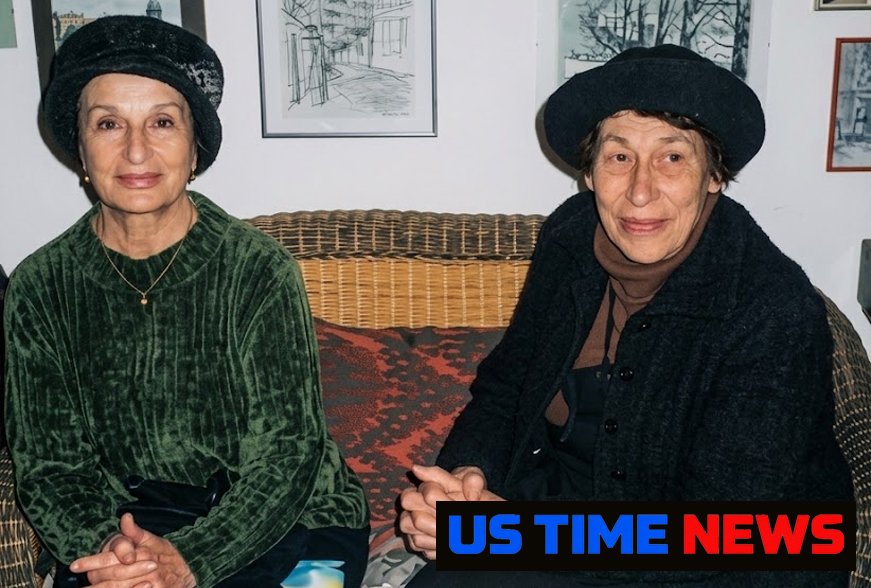
Gabi and the Anne Frank Connection
Gabi’s name is linked to Anne Frank only through her sister. Anne wrote about Hanneli many times in her diary. In the first published version of the diary, Otto Frank changed some names, and Hanneli became “Lies Goosens”.
In early 1945, Hannah spoke with Anne through the fence at Bergen-Belsen. Anne was in a harsher part of the camp, and Hannah tried to help by throwing over packages with food and socks. They met three times in total. Anne died in Bergen-Belsen soon after.
No reliable source says that Gabi knew Anne in person. She was too young. Still, she was in the same camp during those weeks, and her sister was one of the last friends to see Anne alive.
Losing Her Father and Grandmother
The end of the war brought more pain. Hans Goslar died on 25 February 1945. Hannah’s grandmother, Therese Klee, died on 25 March 1945.
Gabi was only four years old. In just a few years, she had lost her mother, her unborn brother, her grandfather, her father, and her grandmother. From the whole family, only Hannah and Gabi were left.
The Lost Train
In April 1945, the sisters were put on a train that left Bergen-Belsen. It was supposed to go to the Theresienstadt camp, but it never arrived. The train wandered for about two weeks, and many people on board died.
It stopped near the German villages of Tröbitz and Schilda. Soviet soldiers freed the passengers there. Because of this journey, the train is now known as the “Lost Train”.
The sisters were sick and very thin. They found a place to stay for a while at the home of the mayor of Schilda.
After the War
At the end of June 1945, the sisters were registered by American officials and returned to Amsterdam. Hannah was in hospital until the end of September.
With help from Otto Frank, Anne’s father, the sisters were later reunited with their uncle, Hans Klee, in Switzerland on 5 December 1945.
Hannah finished school in Basel and arrived in Mandatory Palestine in May 1947. She trained as a children’s nurse in Jerusalem, married Dr. Walter Pinchas Pick, and had three children. Sources say that Gabi also moved to Israel.
Life in Israel and Later Years
This is the part where facts become thin. Most public writing is about Hannah, because she gave interviews, helped with documentaries, and later wrote a memoir. Gabi lived a much quieter life.
We do know a few things:
- Hannah visited places in Germany to speak to students about the Holocaust, and Wikipedia notes that she did this together with her sister.
- Hannah always said she spoke about Anne and the Holocaust “because I survived, and Anne didn’t,” according to the Anne Frank House.
- Hannah’s memoir, My Friend Anne Frank, written with Dina Kraft, came out in 2023.
Some websites say that Gabi is alive, married, or living in a certain place. Most of these pages are low-quality blogs that copy each other and do not name a source. I could not find a reliable news report, museum page, or official record that confirms Gabi’s current situation. For that reason, this article does not make claims about it.
Why So Little Is Known About Gabi
There are a few simple reasons:
- She was very young. Gabi was a toddler during the war, so she has no adult memories of that time to share the way Hannah did.
- She chose privacy. Many survivors never speak in public. That is their right.
- Her sister told the family story. Hannah gave interviews for decades, so most records focus on her.
If you write or share information about Gabi, please be careful. She may be a private person in her eighties, and rumors about her can cause real hurt.
Why Her Story Matters
Gabi’s life shows how the Holocaust affected the youngest victims. Children like her lost parents, homes, and safety before they could understand why.
Her survival was also not luck alone. It came from a chain of events: her father’s passports, the exchange list, the privileged section of Bergen-Belsen, and her big sister Hannah, who stayed with her through all of it. Remembering Gabi means remembering the many children who did not have that chain of events.
Final Thoughts
Gabi Goslar did not write a diary or give many interviews, but her life is part of one of the most important stories of the twentieth century. She was a small child who lost almost everyone, and she lived. Her story reminds us to look for the quieter voices in history, and to share what we know with care and respect.
Frequently Asked Questions
1. Who is Gabi Goslar? She is a Holocaust survivor and the younger sister of Hannah Pick-Goslar, a close friend of Anne Frank.
2. What is Gabi Goslar’s full name? Her full name is Rachel Gabriela Ida Goslar. She is also called Gabi or Gigi.
3. When and where was she born? She was born on 25 October 1940 in Amsterdam, Netherlands.
4. How old is Gabi Goslar? She is 85 years old. She turns 86 on 25 October 2026.
5. Who were Gabi Goslar’s parents? Her parents were Hans Goslar, a German government official, and Ruth Judith Klee, a teacher. Her mother died in 1942, and her father died in Bergen-Belsen in February 1945.
6. Did Gabi Goslar survive the Holocaust? Yes. She and Hannah were the only members of their family who survived. They were freed from the Lost Train in 1945.
7. Did Gabi know Anne Frank? No reliable source says so. She was a young child. Her link to Anne comes through her sister Hannah.
8. What was the Lost Train? It was a train that left Bergen-Belsen in April 1945 and was meant to go to Theresienstadt. It never arrived, and Soviet soldiers freed the passengers near Tröbitz.
9. Is Gabi Goslar still alive? Some websites say yes, but I could not find a reliable source that confirms it. Please treat unsourced claims with care.
10. Where can I learn more? Read Hannah’s memoir My Friend Anne Frank (2023, with Dina Kraft) and Memories of Anne Frank by Alison Leslie Gold (1997). The Anne Frank House website also has pages about Hannah.